

5.0-STAR RATED BY LOCALS


LICENSED & FULLY
INSURED
Subsoil Drainage Gold Coast: Fix the Soggy Yard for Good
Yard turning into a swimming pool every storm? We dig, lay and backfill proper subsoil drainage that moves the water on, so your lawn stays a lawn.
Soggy yard? Let us sort it.
Free, upfront quotes, no call-out surprises
Licensed, insured and tidy on every job
We reply within the hour.
What we fix
Subsoil Drainage Jobs We Take On
From a boggy patch of lawn to a whole backyard underwater every storm, here is what we fix.
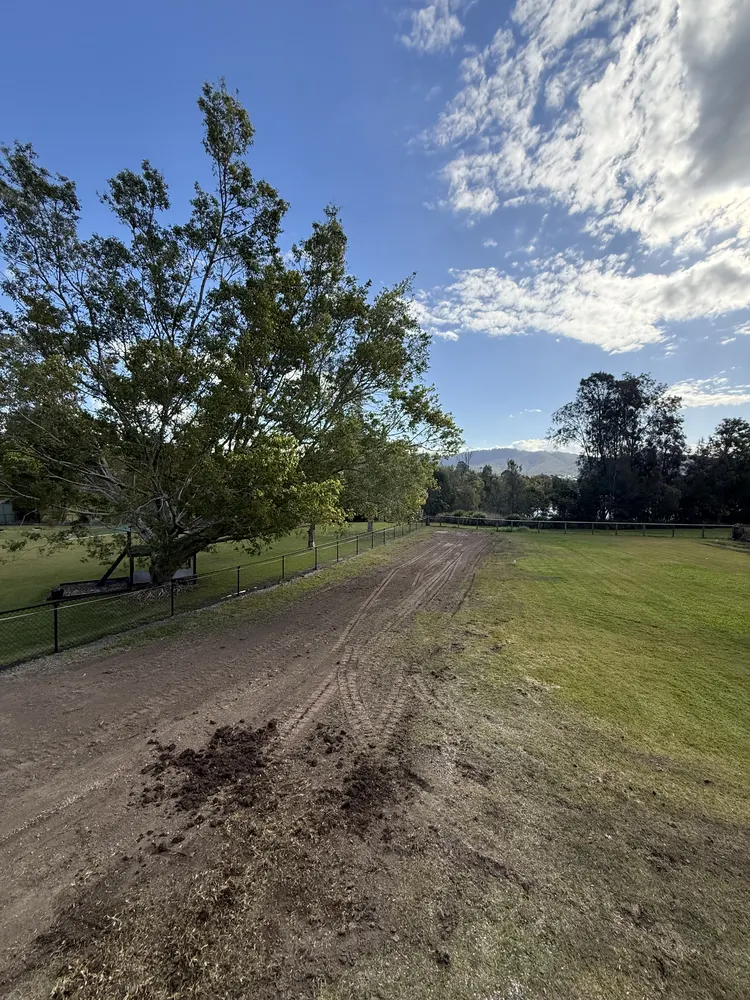
Soggy Lawn Drainage
Lawns that pool after every storm or stay boggy for days, trenched, piped and drained so the grass can actually grow.
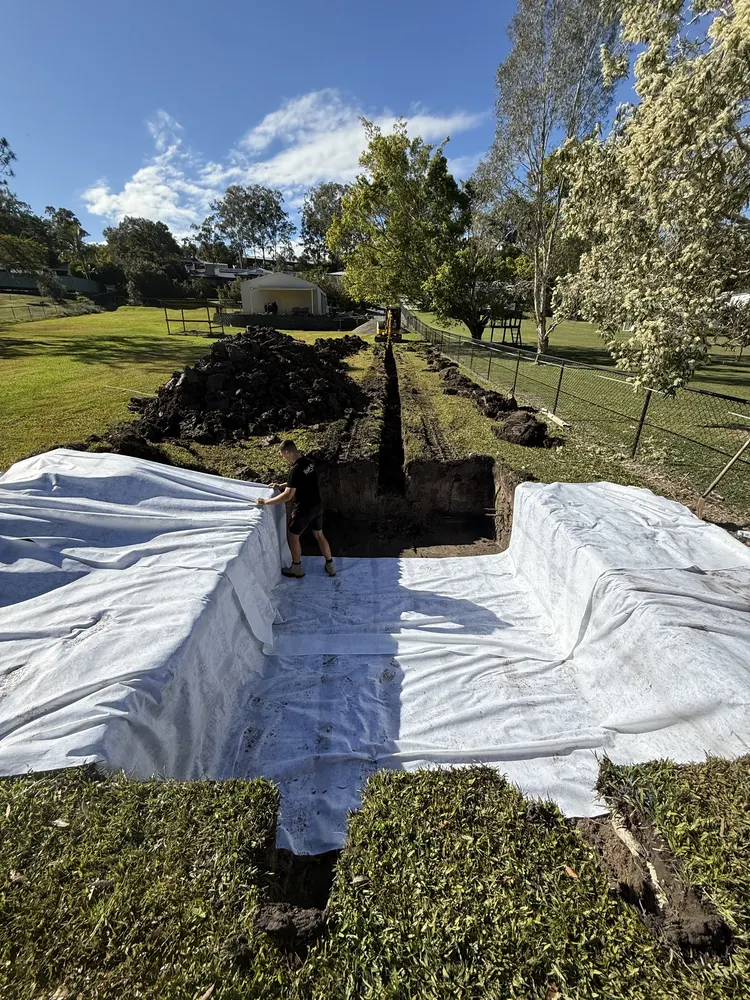
Garden Beds & Retaining Walls
Beds and walls that hold water get ag lines behind and below, so plants stop drowning and walls stop copping the pressure.
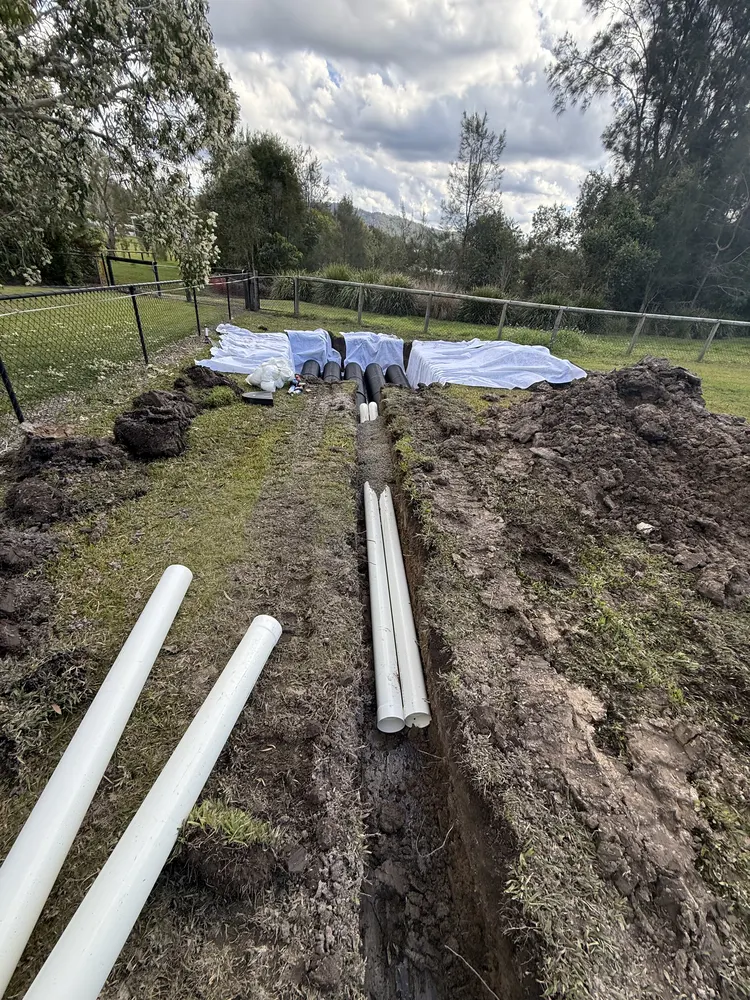
Stormwater Connections
New drainage runs tied properly into stormwater with the right falls, so the water actually leaves your block.
Why it matters
Why proper subsoil drainage lasts
A soggy yard is a water problem, not a grass problem. Good drainage fixes the cause, and the difference between a system that works for decades and one that fails in a year is all in the detail.
Falls that actually fall. Water only moves if the trench gradient is right. We dig to proper falls so it drains every time, not just in a light shower.
Fabric and quality pipe. Geotextile lining keeps silt out of the slotted ag pipe, so the system drains for decades instead of clogging in months.
Tidy finish, honest pricing. Backfilled, levelled and cleaned up before we leave, with a free quote agreed before any digging starts.
One less yard waiting to turn into a swimming pool next storm.
Get My Free Quote
The basics
What subsoil drainage actually is (and what it isn't)
If your backyard turns into a swimming pool every time a storm rolls over Helensvale, the grass isn't the problem. The water under it is. Subsoil drainage is the fix that deals with the cause instead of the symptom, and this page walks you through exactly what it is, why Gold Coast blocks are so prone to holding water, who needs it, how we install it, and what it costs. By the end you'll know whether your yard needs it, and you'll have a checklist you can take outside right now.
Walter & Co is a licensed, family-run plumber in Helensvale. Ben and the team have spent more than 20 years on the tools and put more than a thousand jobs behind us, and drainage is the work we get asked about most between November and March. Free quotes, no call-out surprises, and we leave the yard tidier than we found it.
Subsoil drainage is a slotted pipe, usually called ag pipe or agricultural pipe, laid in a gravel-filled trench below the surface. Water sitting in the soil finds its way into the gravel, drops through the slots into the pipe, and runs downhill to a legal discharge point, typically your stormwater. The pipe never fills from the top like a gutter. It collects from all around, which is what makes it different from anything you see on the surface.
Subsoil drain vs French drain vs stormwater drain
These get mixed up constantly, so here's the short version.
| System | What it does | Where it sits | Best for |
|---|---|---|---|
| Subsoil drain (ag pipe) | Collects groundwater from the soil itself | Below ground, in a gravel trench | Soggy lawns, clay blocks, behind retaining walls |
| French drain | Same idea, often without pipe or with a smaller pipe; older term for the same concept | Below ground | Small garden bed or lawn fixes |
| Stormwater drain / grated channel | Catches surface run-off from roofs, paths and paving | At or on the surface | Driveways, patios, downpipe run-off |
| Spoon drain | Shallow open concrete channel | On the surface | Moving surface water across a slab or slope |
In practice, most "French drain" jobs on the Coast are subsoil drains, and most soggy-yard problems need both a subsoil line and a proper stormwater connection to get the water off the block. If the water is coming from your downpipes, that's a blocked drains and stormwater job first. If it's coming up through the ground, keep reading.
How an ag-pipe system moves water
Three things make it work: the fall, the fabric and the aggregate. The pipe has to sit on a gradient so water runs, not sits. Geotextile fabric wraps the trench so fine silt and clay stay out of the gravel. Washed aggregate around the pipe creates the voids water moves through. Skip any one of those and you get a system that drains for a season, then clogs and turns back into a bog.
Not sure if it's groundwater or a blocked drain?
Call Ben, describe what you're seeing, and we'll point you the right way.
Local conditions
Why Gold Coast yards hold water
Plenty of places get rain. The Gold Coast gets a specific combination that makes drainage a permanent conversation.
Clay and reactive soils from Helensvale to Nerang
A lot of the northern Gold Coast, including Helensvale, Oxenford, Pacific Pines, Upper Coomera and out toward Nerang, sits on heavy clay and reactive soil. Clay holds water like a sponge and releases it slowly. When it's wet it swells, when it dries it shrinks. That movement is what cracks brick joints, lifts paths and stresses slabs. Sand blocks closer to the beach drain fast. Clay blocks along the hinterland edge do not.
Summer storms and the wet season
Most of the Coast's rain lands between November and March, often as short, intense afternoon storms. A block that would cope with drizzle gets hit with 50mm in an hour. The surface can't take it in fast enough, the clay underneath is already saturated from last week, and the lowest point of the yard becomes a pond. Ex-tropical Cyclone Alfred in early 2025 turned a lot of "it's a bit damp" yards into "we need to do something about this" yards, and the phone hasn't really stopped since.
Sloping blocks, low-lying blocks and canal-side homes
Helensvale and Hope Island have plenty of gently sloping estates where water travels through the subsoil from higher blocks and surfaces on the neighbour below. Low-lying homes near Saltwater Creek, Coombabah Creek and the Coomera River sit close to the water table, so the ground stays damp long after the rain stops. Canal-side properties get the same effect with the added fun of tidal influence. In all three cases, subsoil drainage intercepts the water before it reaches the house or the lawn.
Who it's for
Who needs subsoil drainage
Soggy lawns and pooling backyards
The classic case. Water pools after rain, stays boggy for days, the mower leaves ruts and the grass gives up. An ag line through the wet zone, falling to stormwater, fixes it at the source. This is the single most common drainage job we do in Helensvale and Oxenford.
Retaining walls
Every retaining wall needs an ag line directly behind its base, wrapped in fabric, draining to a legal outlet. Without it, water builds up behind the wall and pushes. Sleeper walls lean, block walls crack, and eventually something gives. If you've got a wall with no weep holes and no drain behind it, that's a job worth quoting before the next wet season, not after.
House slabs, brickwork and paths on clay
On reactive soil, the goal is to keep moisture around the slab consistent. Subsoil drains along the high side of the house, or around the perimeter on a bad block, stop the soil swinging between saturated and bone dry. That protects footings, brick joints and concrete paths. If you're seeing stair-step cracks in brickwork or doors that stick in summer, get a builder or engineer to assess the structure, then get the drainage sorted.
Sports fields, turf and larger sites
Large grass areas that take a beating, like school ovals, club fields and body-corporate lawns, need a grid of subsoil lines to keep the surface firm. We install these with a laser-set fall to a collector line, so the whole field drains evenly rather than the low corner going to mud.
Roads, driveways and civil subgrades
Driveways, hardstands and small road subgrades need subsurface drainage to lower the groundwater under the base course. Wet base breaks down, and a driveway on saturated clay will crack no matter how thick the concrete is. Walter & Co does civil drainage and stormwater on subdivisions and commercial sites across the Coast, so if the job needs pits, risers and a stormwater main, we handle that too.
Sound like your block?
Free on-site quote, in writing before any digging starts.
The process
How we install subsoil drainage (step by step)
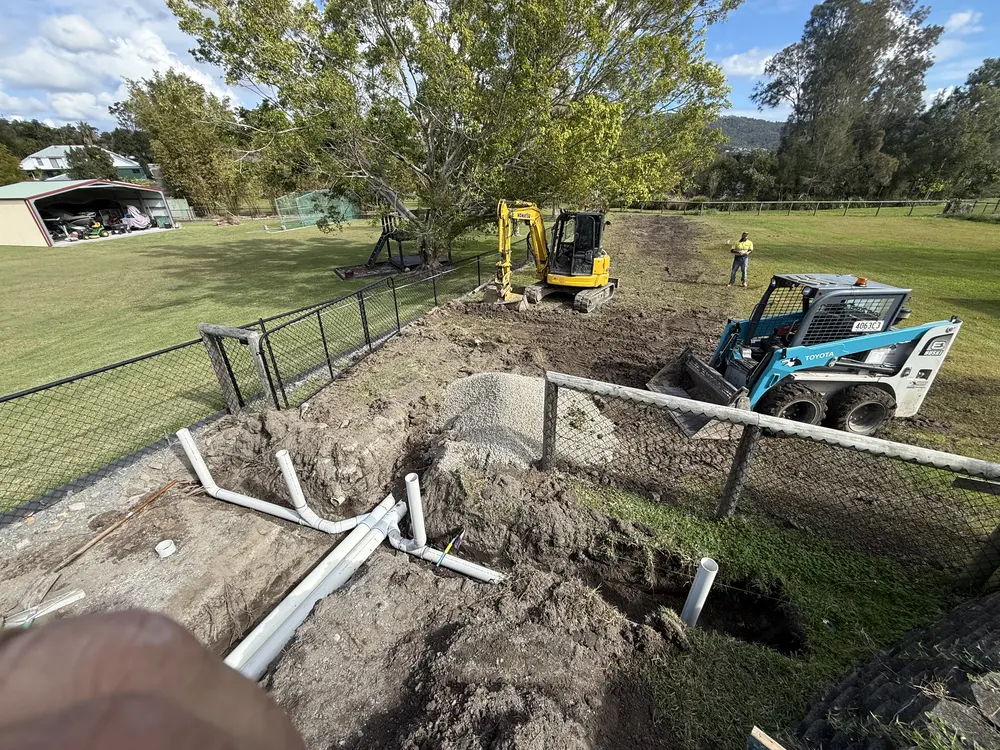
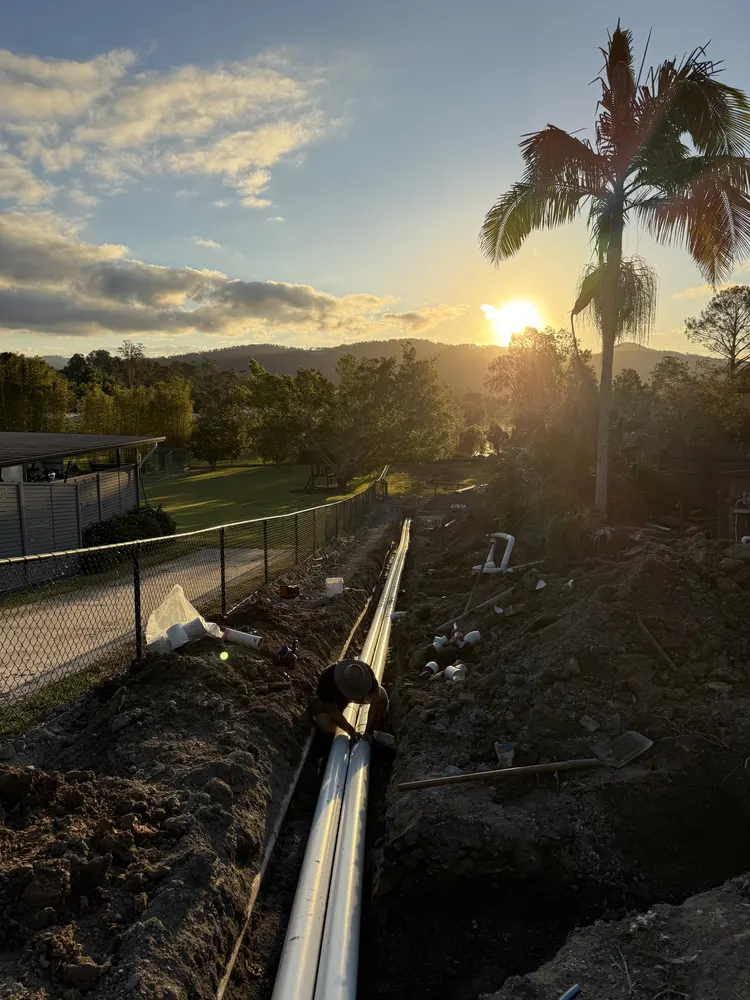
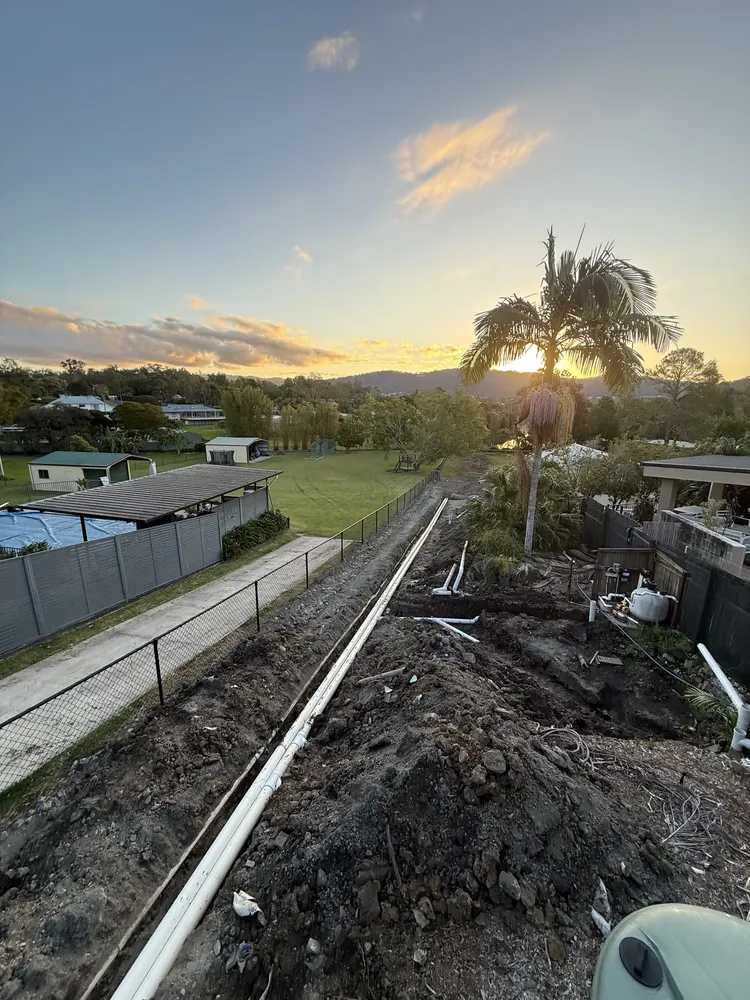
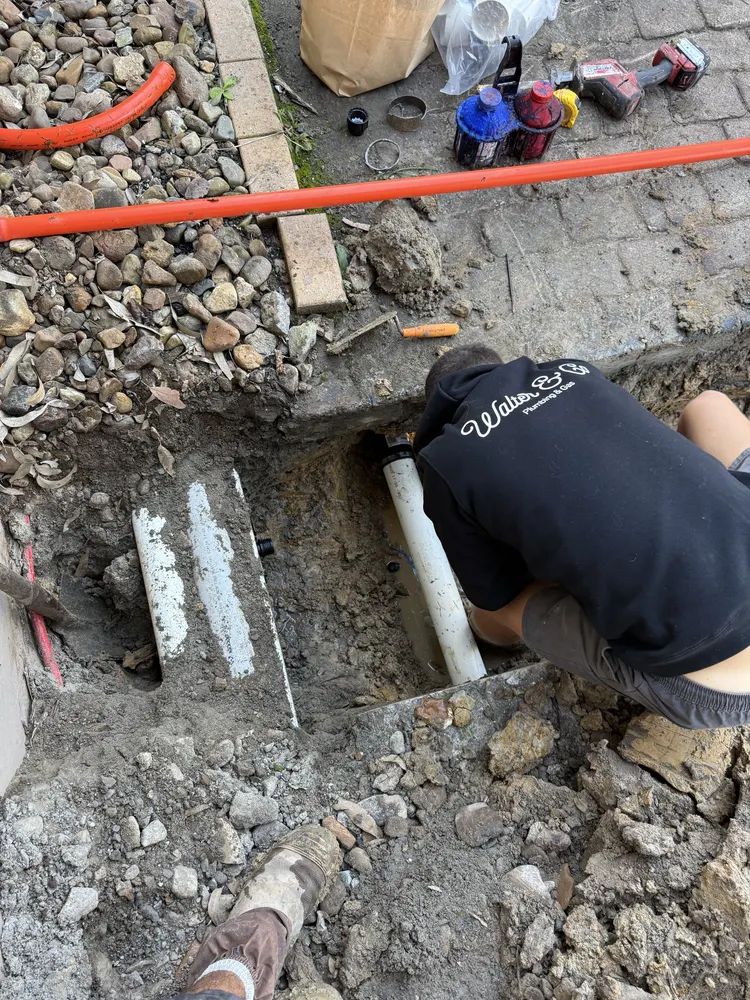
Here's what actually happens on a job, using the Oxenford install in the gallery below as the example.
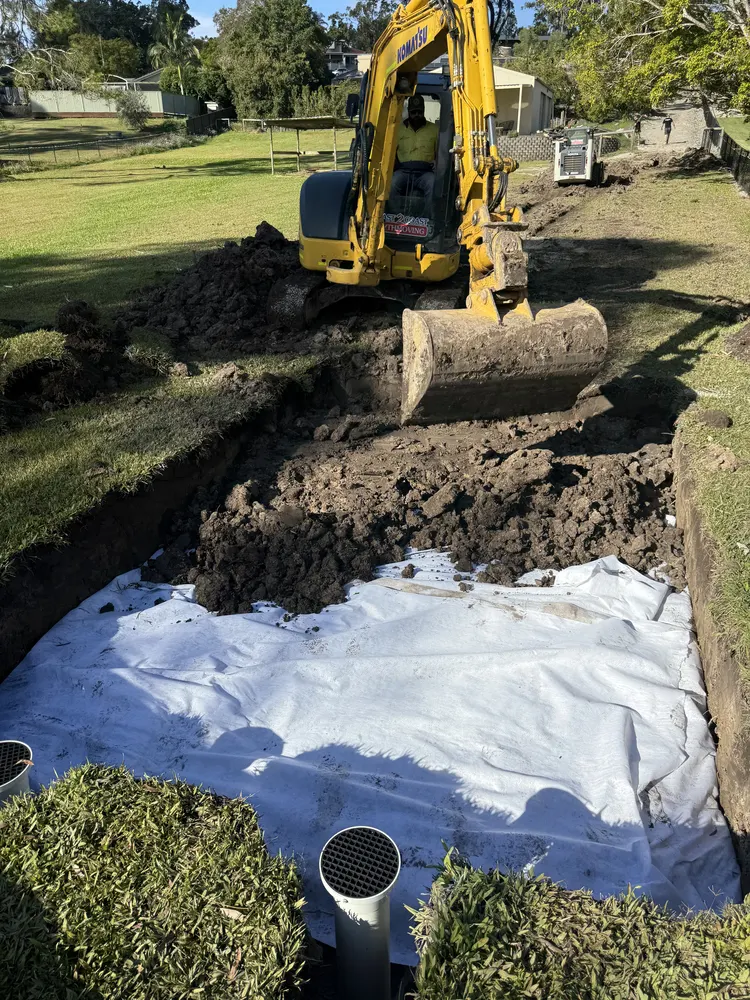
1. Site check and finding the fall
We walk the block, find where the water sits, and work out where it can legally go. We check levels so the pipe will have a real gradient, usually a minimum of 1 in 100, from the wettest point to the outlet. We locate services before we dig. If there's no fall available to stormwater, we'll tell you straight and talk about a sump and pump.
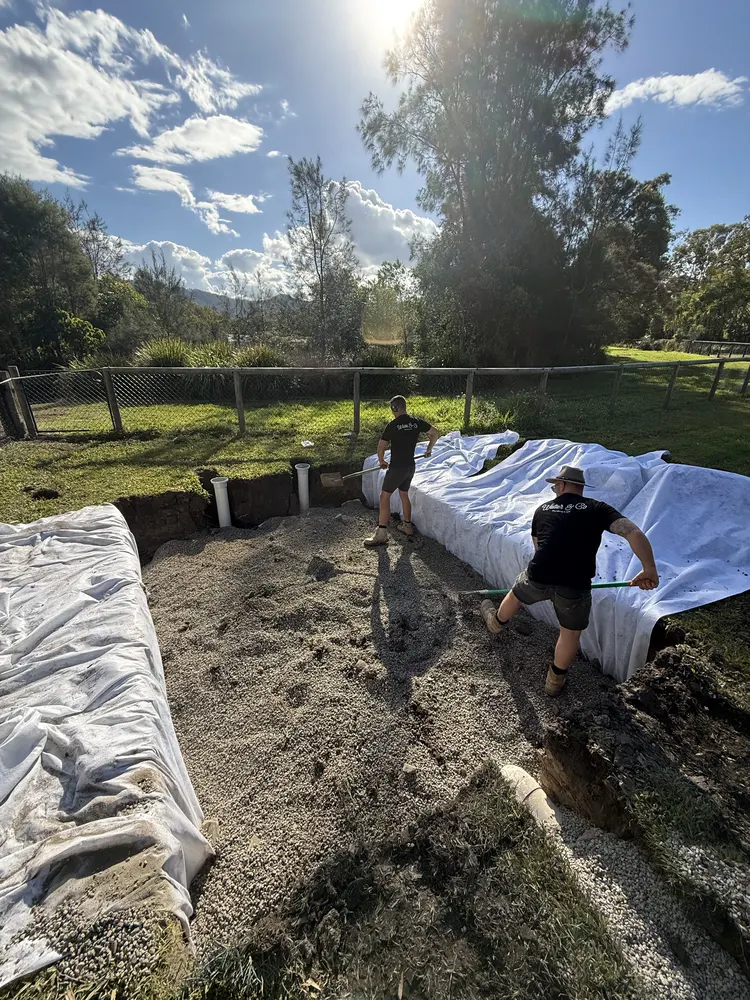
2. Trench, fabric, pipe, aggregate
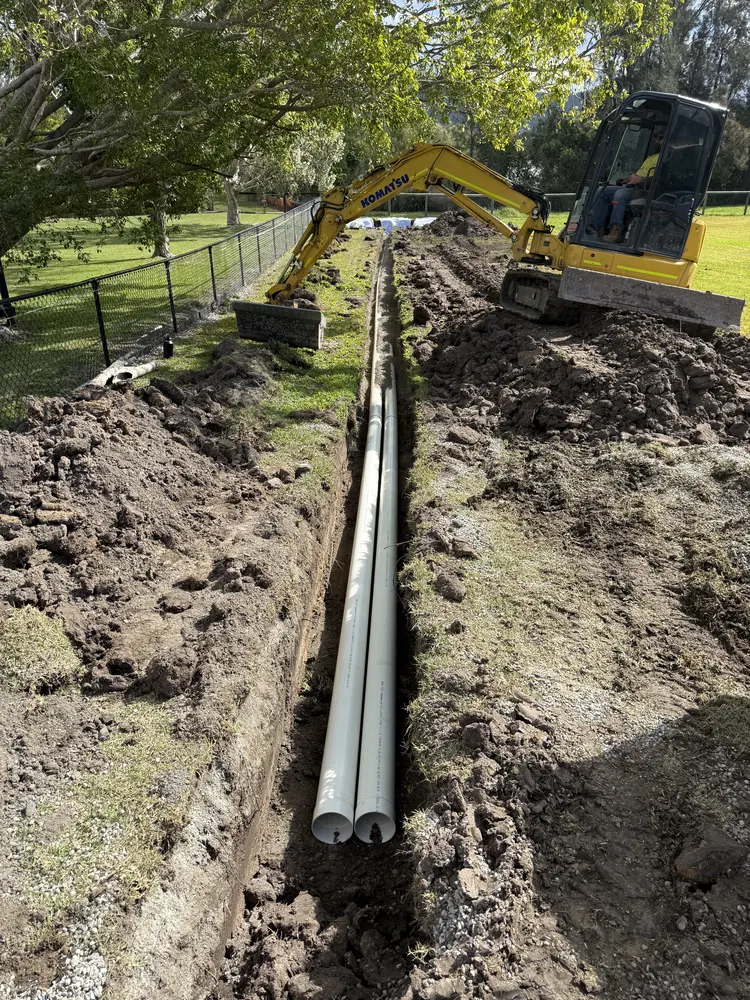
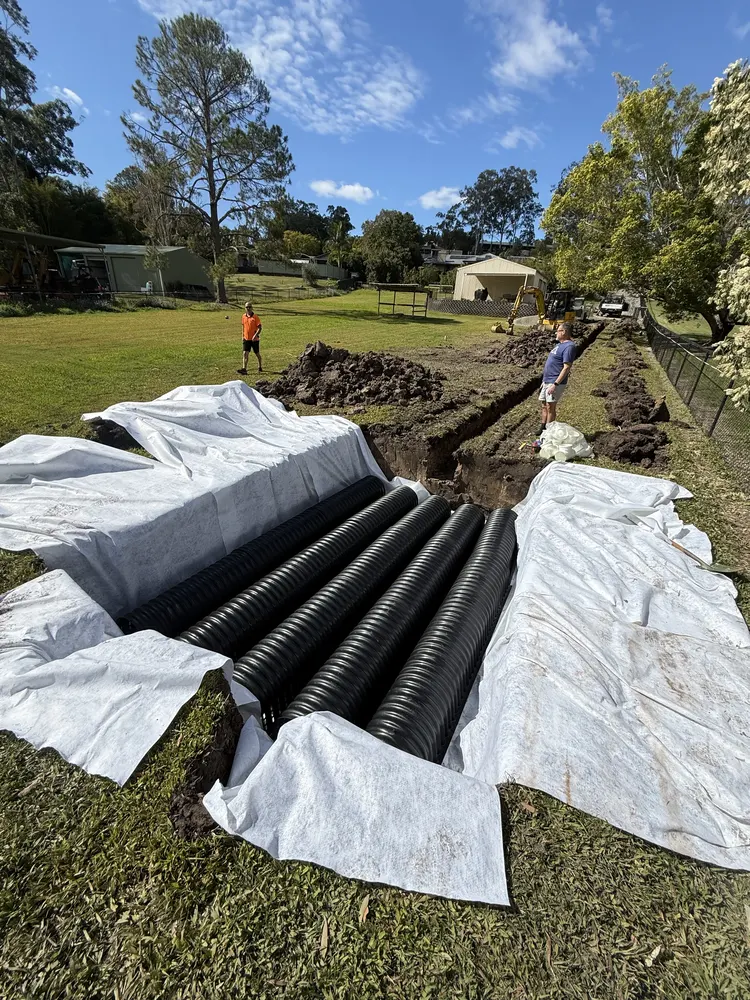
Trenches are dug to depth with an excavator where access allows, by hand where it doesn't. The trench is lined with geotextile fabric, slotted ag pipe goes in on the fall, and washed drainage aggregate is placed around and over the pipe. The fabric is folded closed over the top so silt can't wash in from above.
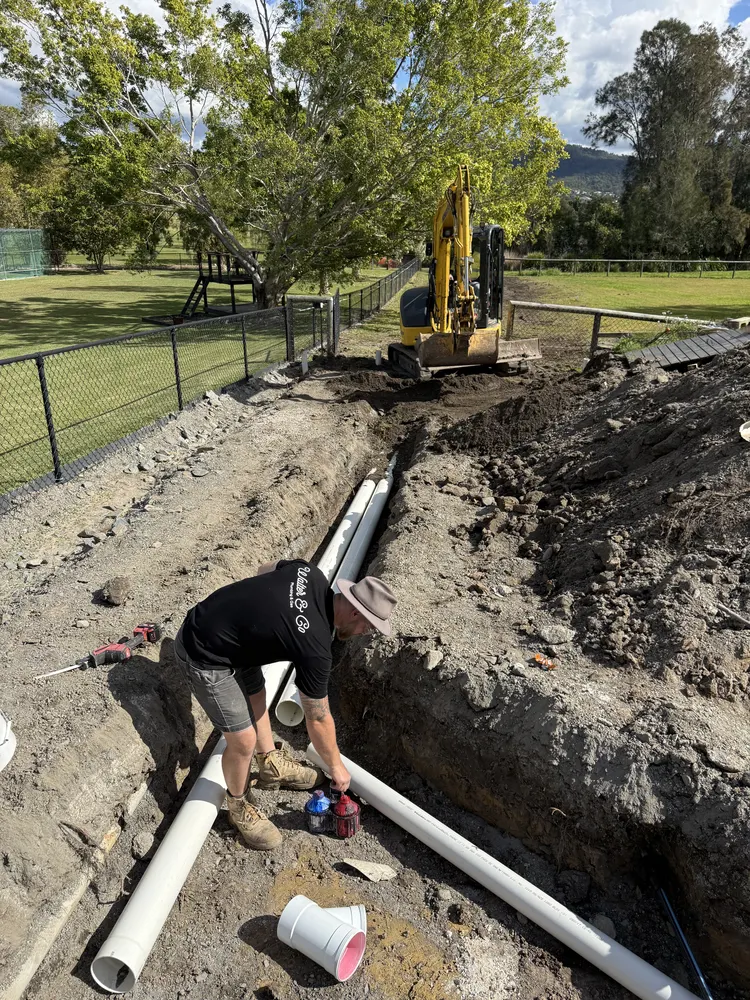
3. Connecting to a legal point of discharge
This is the step that separates a plumber from a landscaper. Groundwater has to go to a legal point of discharge, which on the Gold Coast means your stormwater system, a council drain or an approved outlet. Draining onto a neighbour's block or into the sewer isn't allowed. We connect the ag line to stormwater with proper PVC and, where the run is long, a silt pit so the system can be cleaned in future.
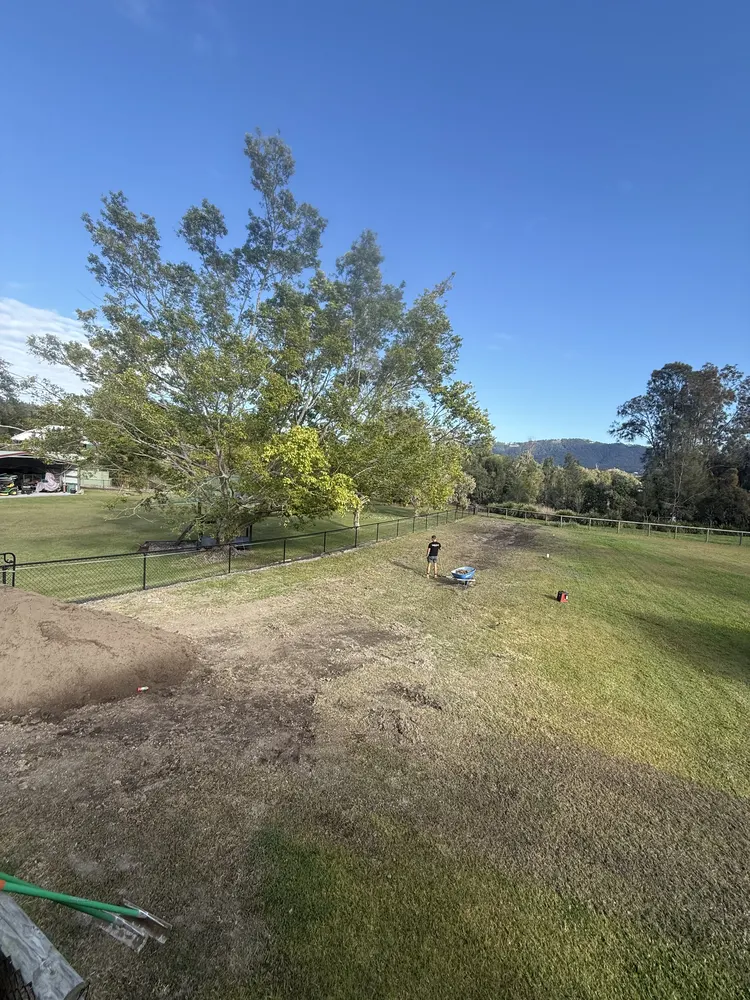
4. Backfill and tidy-up
Backfill, compact, level, and clean up. On a lawn we bring the surface back so the grass grows through. On a garden bed we reinstate the mulch. Once the turf comes back you won't know we were there, except the yard finally drains.
Pricing
What it costs and what changes the price
Every block is different, so we quote on site, free. The table gives you a feel for what moves the number.
| Factor | Pushes cost down | Pushes cost up |
|---|---|---|
| Length of run | Short single line | Multiple lines or a full grid |
| Access | Open yard, excavator can get in | Tight side access, hand digging |
| Ground | Sandy or loam | Heavy clay, rock, tree roots |
| Outlet | Stormwater close by with good fall | Long run, sump and pump needed |
| Extras | None | Silt pits, retaining wall drains, new stormwater |
Ask us for the quote in writing before any digging starts. That's how we work on every job.
Quick check
Is your yard telling you it needs drainage?
Walk outside after the next storm and tick off what you see.
- Water still pooling 24 hours after rain stops
- Boggy patches that never fully dry, even in a dry week
- Moss, algae or mushrooms in the lawn
- Ruts from the mower or foot traffic
- Retaining wall leaning, cracking or weeping
- Damp or efflorescence on the low side of the house
- Doors sticking in summer, cracks in brick joints
- Garden bed plants yellowing and dying from wet feet
- Neighbour's run-off appearing on your side
Three or more, and it's worth a free quote. One of the first four on its own, and it's still worth a call.
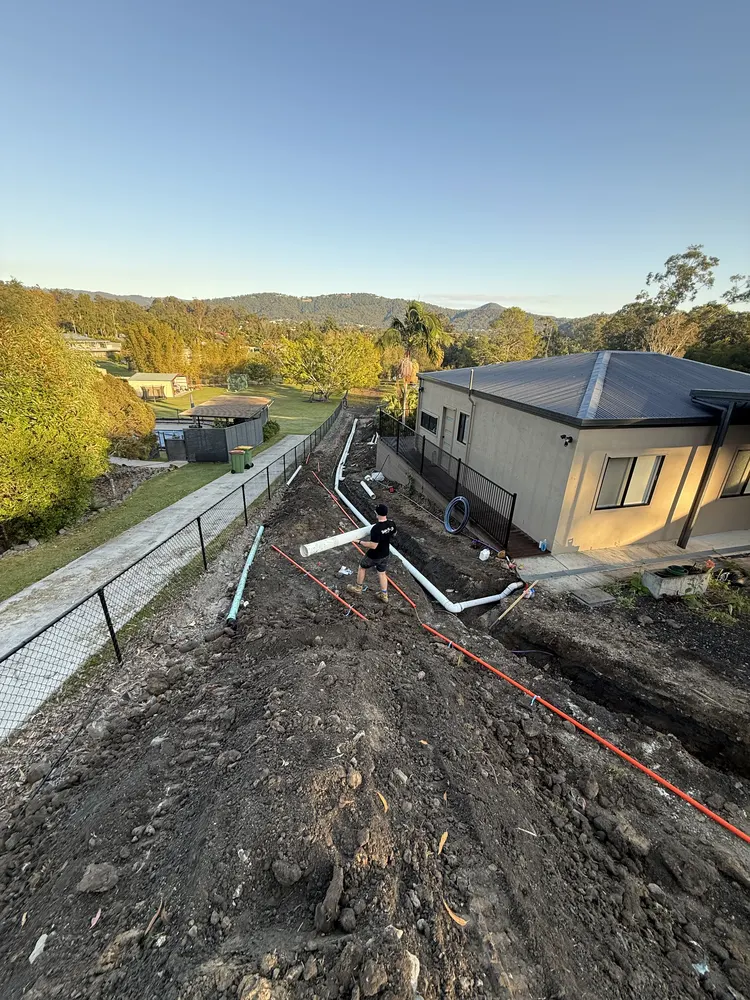
Ticked a few boxes?
Text us a photo of the wet patch and we'll tell you what you're looking at.
From the crew
Five tips from 20 years on the tools
- Fix the fall before anything else. A flat pipe is a buried bathtub. If someone quotes you a drain with no mention of levels, ask where the water's going.
- Don't skip the fabric to save a few hundred dollars. On Gold Coast clay, an unwrapped trench silts up in a couple of wet seasons.
- Deal with downpipes first. A surprising amount of "groundwater" is just roof water from a disconnected or blocked downpipe soaking into the lawn.
- Put a drain behind every retaining wall, every time. It's cheaper during the build than after the wall moves.
- Do it in the dry season. April to October is the window. Ground is workable, access is easier and the system is in and settled before the storms come.
Want it in before the storms come?
April to October is the window. Get the quote sorted now.
Where we work
Subsoil drainage across the Gold Coast
We're based at 11 Rosswood Court, Helensvale, a couple of minutes from Westfield Helensvale and the light rail, and we service the whole Coast from Coomera down to Coolangatta. Most of our drainage work lands in the northern suburbs where the clay is worst: Helensvale, Oxenford, Pacific Pines, Upper Coomera, Hope Island, Maudsland and Nerang. We also run stormwater and civil drainage on new estates around Coomera and Pimpama, and handle the sandier but low-lying blocks through Runaway Bay, Paradise Point, Southport and Surfers Paradise.
If you're searching for the best plumber Helensvale has for drainage, or just a plumber near me who'll turn up when they say they will, that's the job we built the business on. Read the Oxenford job below to see a full install from first trench to finished lawn.
Recent job
Another one in the ground at Oxenford
Subsoil drainage in Oxenford
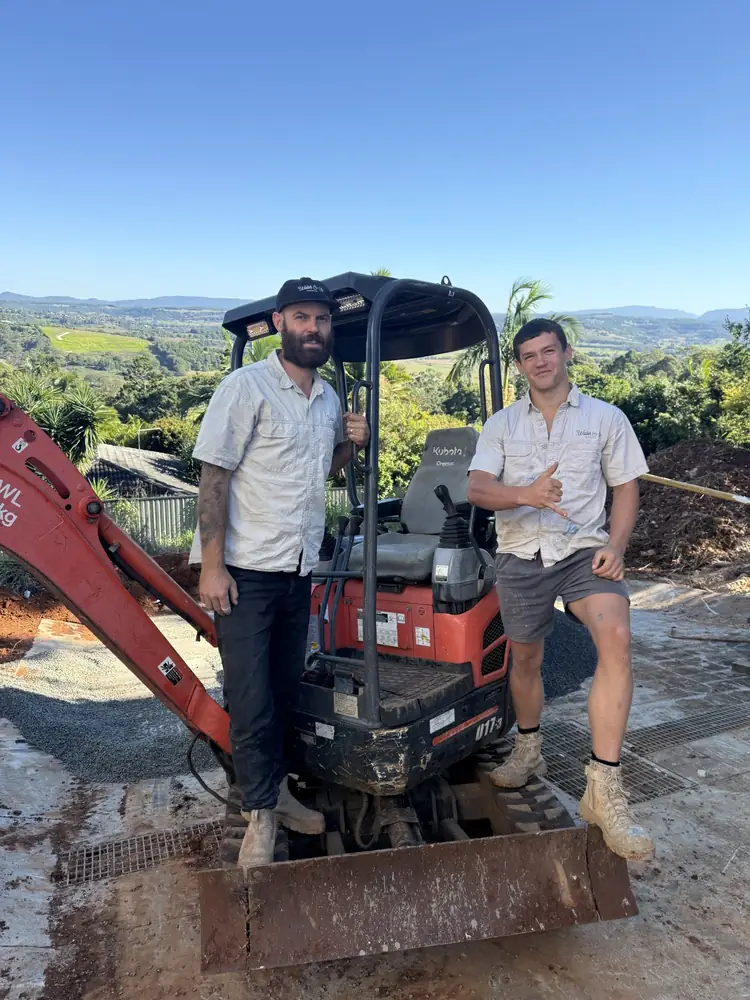
Another one in the ground! The lads got stuck into this subsoil drainage job in Oxenford, and the young fella put in a solid effort: plenty of digging, plenty of sweat, and just enough complaining to keep things entertaining.
Good drainage doesn't happen by itself, and this one was no exception. Proper falls, quality materials and a bit of elbow grease to get the job done right.
Big effort from the crew, another happy customer and one less yard waiting to turn into a swimming pool next storm!
The Walter & Co crew
The job, start to finish
From boggy yard to done and dusted
Trenching, fabric, ag pipe, falls, backfill and the tidy-up.
FAQs
Frequently asked questions
Answering your subsoil drainage questions.
A slotted pipe laid in a fabric-lined, gravel-filled trench below the surface. It collects water from the surrounding soil and carries it to stormwater, so your lawn, garden or retaining wall stops holding water.
Typically 400 to 600mm for a lawn, deeper behind retaining walls or beside footings. The depth matters less than the fall. The pipe has to run downhill the whole way to the outlet.
For a standard residential ag line connected to your existing stormwater, generally no. Anything that changes the stormwater connection, discharges to a council drain or is part of a retaining wall over 1m usually does. We'll tell you at the quote if your job needs it.
You can, and plenty of people do. The problems are fall, fabric and the outlet. Most DIY drains clog within a couple of years or discharge somewhere they shouldn't. Drainage work connected to stormwater has to be done by a licensed plumber in Queensland.
A single lawn line is usually a day. A retaining wall drain or multi-line yard is one to three days. Larger civil or sports field work is quoted on scope.
Often, yes, when the water is coming through the soil from a higher side of the block. If it's coming through a slab crack or a wall, drainage is part of the fix and a waterproofing or building repair is the other part.
It helps by keeping soil moisture stable around the footings, which reduces the swell-and-shrink cycle. It's not a structural repair, so if you already have movement, get an engineer to assess and we'll handle the drainage side.
Yes. We can retrofit an ag line behind an existing wall where there's access, or install it as part of a new wall alongside your landscaper or builder.
Got a question about drainage? Give us a call or book a free quote today.
Get a Free QuoteLast thing
Ready to stop the swimming pool?
If your yard's holding water, we'll come out, find where it sits and where it needs to go, and give you a free written quote before a single shovel goes in. Licensed and insured for plumbing and drainage in Queensland, based in Helensvale, servicing the whole Gold Coast.
Call or text Ben on 0450 024 231, or use the quote form below. We reply within the hour.
Contact information
Soggy yard, blocked drain or planning a bigger job? Get in touch and we'll sort it. We answer the phone 24/7 for emergencies.
-
 0450 024 231
-
 Walterandcoplumbing@gmail.com
-
 Gold Coast, QLD and surrounds